Structural Drying Marietta GA (888) 959-1198

Structural Drying Services in Marietta, GA

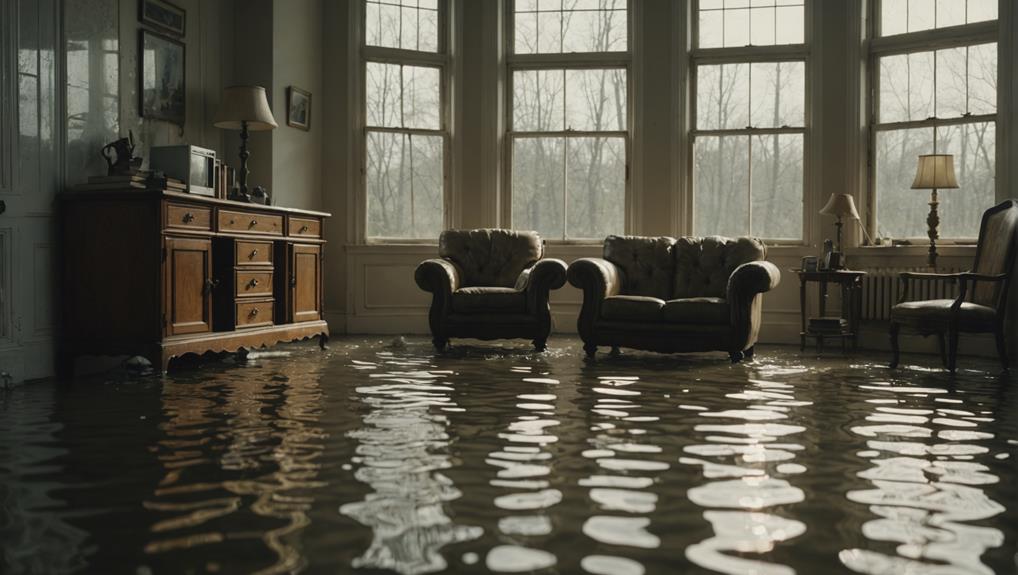
Marietta sits on the Piedmont Plateau at 900-1,100 feet elevation — the rolling hills that make Cobb County neighborhoods attractive also channel Georgia's 52 inches of annual rainfall directly toward foundation walls and basement entries across low-permeability red clay soil. When water enters your home through a basement wall breach, burst pipe, or storm-damaged roof, IICRC-certified structural drying technicians arrive within 60 minutes with industrial LGR dehumidifiers calibrated for Metro Atlanta's humid subtropical climate, where summer humidity of 69-73% makes standard drying methods inadequate.

Call Now: (888) 959-1198
60 Min Emergency Response Across Cobb County
52 in. Average Annual Rainfall in Marietta
24/7 Emergency Availability Year-Round
IICRC Certified Structural Drying Technicians

Structural Drying Services in Marietta

Marietta's Piedmont terrain creates structural drying challenges distinct from flatter Metro Atlanta suburbs. The combination of hilly lots, below-grade living spaces, Georgia red clay that channels surface water toward foundations, and summer humidity that defeats consumer-grade equipment requires specialized techniques and local knowledge that generic restoration companies often lack.

Emergency water extraction and basement drying equipment in Marietta GA

Basement and Below-Grade Drying

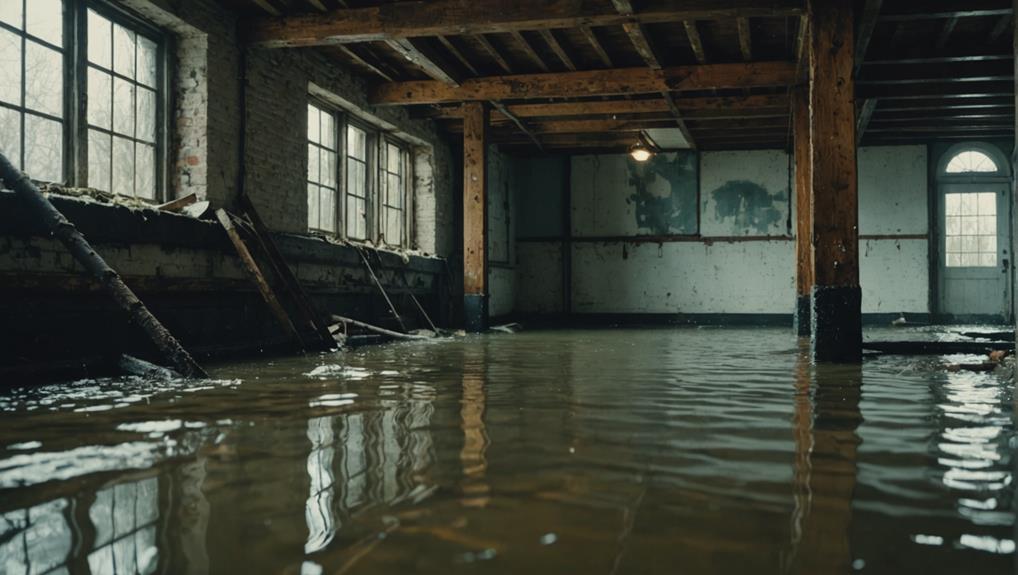
Marietta's hilly terrain means a higher concentration of homes with basements and daylight lower levels than most Metro Atlanta areas. Below-grade drying is more complex than slab-level work because moisture continuously migrates through foundation walls from saturated Piedmont clay outside. Our approach addresses both the immediate water event and the hydrostatic pressure driving moisture inward — including assessment of French drains, footer drains, and sump pump systems that may have failed or become overwhelmed.

Crawl space drying and moisture remediation in Cobb County GA

Crawl Space and Subfloor Drying

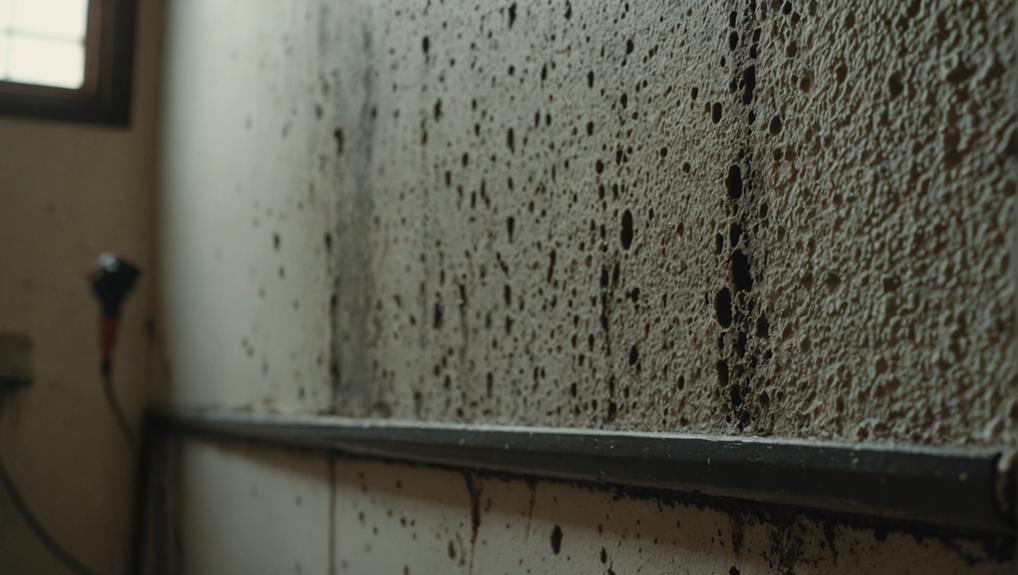
Older Marietta homes (1950s-1990s) near the Marietta Square, along Whitlock Avenue, and in established East Cobb neighborhoods frequently have vented crawl spaces that trap moisture year-round. Red clay beneath the crawl space releases humidity continuously, maintaining 70-85% RH in summer — well above the 60% mold threshold. Our crawl space drying addresses the water event while evaluating the chronic moisture conditions. For persistent problems, we recommend full encapsulation: sealed vents, 20-mil vapor barrier on soil and walls, and a dedicated dehumidifier.

Hardwood floor drying and commercial structural drying in Marietta GA

Hardwood Floor and Commercial Drying

Solid hardwood flooring in Marietta homes can often be salvaged through professional in-place drying using mat and tent systems if addressed within 24-48 hours. We also serve Cobb County's commercial properties — offices near the Cobb Galleria and Cumberland area, retail in Town Center, and industrial spaces along the I-75 corridor — with large-scale drying setups using 3-5x residential equipment volumes, scheduled to minimize business interruption.

What to Expect During Structural Drying

Structural drying in Marietta follows the IICRC S500 Standard, adapted for Cobb County's specific terrain, construction types, and climate conditions. The hilly Piedmont landscape and prevalence of below-grade living spaces create drying scenarios that differ from projects in flatter parts of Metro Atlanta.

The Drying System
Professional structural drying creates three simultaneous conditions: high-velocity airflow across wet surfaces (centrifugal air movers at 2,500+ CFM accelerate surface evaporation), low ambient humidity (LGR dehumidifiers extract moisture from air that's already at 69-73% RH — the normal summer condition in Marietta where standard dehumidifiers lose efficiency), and controlled temperature (warmer air holds more moisture vapor, increasing evaporation rates). The technician calculates specific grain depression targets based on room volume, material types, and psychrometric readings — this is engineered drying, not guesswork with fans.
Daily Moisture Monitoring
Technicians visit daily to take moisture readings at every mapped test point. Pin-type meters insert into wood and drywall to measure internal moisture content; pinless capacitance meters scan surfaces non-destructively. Infrared thermal cameras identify hidden moisture behind walls and under floors by detecting temperature differentials. All readings are documented on a drying log tracking progress toward dry standard: below 15% for wood framing, below 16% for drywall, below 1% RH differential for concrete and masonry. In Marietta basements, foundation wall readings are critical because clay soil outside continues pushing moisture inward even after interior water is extracted.
Equipment in Your Home
A typical residential setup: 4-8 centrifugal air movers (stool-sized, 2,500+ CFM each) and 1-2 LGR dehumidifiers (large rolling suitcase size, draining continuously via hose). Equipment runs 24/7 during drying. Noise level: approximately 55-65 dB (normal conversation volume). Electrical consumption: 15-25 kWh/day, adding roughly $3-$6/day to your utility bill. Basement projects may require additional units directed at below-grade walls. Equipment stays until moisture readings confirm all materials meet dry standard — not surface-dry, but internally dry throughout the material.
Timeline by Situation
Single-room above-grade drying: 3-4 days. Multi-room residential: 4-6 days. Basement drying (Marietta's most common scenario): 4-7 days, depending on whether moisture continues migrating through foundation walls. Crawl space drying: 5-7 days. Hardwood floor salvage: 5-7 days active drying, plus 2-3 weeks equalization before refinishing. Georgia's summer humidity (June-September) typically adds 1-2 days compared to winter. Category 2 and 3 events require additional time for antimicrobial treatment and demolition of contaminated porous materials.

The goal is returning all building materials to their normal equilibrium moisture content — not just surface-dry, but verified dry at depth. Materials that feel dry on the surface can hold dangerous moisture levels internally, which is why daily pin-type meter readings inside the material (not surface readings alone) are essential. Stopping drying prematurely is the single most common cause of secondary mold growth after water damage.

Common Marietta Structural Drying Scenario

This illustrative example reflects a typical structural drying project based on conditions commonly encountered in Marietta and Cobb County. It demonstrates the scope, timeline, and cost factors specific to this area's terrain, construction, and climate.

Property
2,800 sq ft two-story home with daylight basement in East Cobb (built 1994), wood-frame construction with brick veneer on a sloped lot, hardwood floors on main level, finished basement with carpet and drywall, uphill-side foundation wall against Piedmont red clay hillside
Situation
Sustained thunderstorm dropped 3.2 inches of rain in 90 minutes during June. The home's 25-year-old French drain system along the uphill foundation wall had partially clogged with clay sediment and tree roots. Hydrostatic pressure forced water through the basement wall at two locations — the cold joint where the foundation wall meets the footer, and a hairline crack that had developed from normal clay soil movement. Approximately 800 sq ft of finished basement affected with 1-2 inches of standing water. Category 2 (gray water classification due to soil contact and potential contaminants from groundwater).
Challenges
Finished basement had carpet over pad over concrete slab, drywall on furring strips against foundation walls, and drop ceiling tiles. All carpet padding was unsalvageable (porous material saturated with Category 2 water). Drywall on the uphill-side wall was wet to 36 inches height from both the standing water and moisture migrating through the foundation wall from saturated clay outside — this continuous moisture source meant drying couldn't be completed until the exterior soil began to dry, extending the timeline. June humidity of 72% required maximum LGR capacity. Main-level hardwood above the basement showed no moisture migration upward (floor joists and subfloor tested dry).
Restoration Scope
Emergency extraction of standing water. Removal of all carpet and pad (800 sq ft), 36-inch flood cuts on 120 linear feet of basement drywall to expose foundation wall for direct drying, removal of affected drop ceiling tiles. Antimicrobial treatment of all exposed surfaces (Category 2 protocol). Six days of structural drying with 8 air movers and 2 LGR dehumidifiers focused on foundation wall and slab drying. Daily monitoring at 18 mapped test points including foundation wall readings at 6, 18, and 30 inches above slab.
Timeline
Day 1: Emergency response, extraction, demolition of unsalvageable materials, antimicrobial application, equipment placement. Days 2-6: Structural drying with daily monitoring (one additional day beyond initial estimate because June humidity slowed foundation wall drying). Day 7: Drying verification — all materials confirmed at or below IICRC dry standard. Equipment removal. Days 9-22: Reconstruction — new drywall with moisture-resistant product (green board) on lower 4 feet of all below-grade walls, new drop ceiling, new carpet with moisture-barrier pad, paint. Homeowner also elected French drain rehabilitation ($2,800-$4,500) to address the root cause.
Cost Range
$6,200-$9,000 for structural drying and extraction (extraction and antimicrobial: $1,200-$1,800; demolition and disposal: $900-$1,400; equipment and monitoring for 6 days: $3,200-$4,500; moisture verification and documentation: $400-$600). Reconstruction (drywall, ceiling, carpet, paint) added $4,500-$6,500. Homeowner's HO-3 policy covered the sudden storm damage minus $2,500 deductible. The French drain rehabilitation was not covered (maintenance item) but was strongly recommended to prevent recurrence — the same failure pattern would repeat during the next heavy storm without addressing the clogged drain system.

Marietta Structural Drying Risk Factors

Marietta and Cobb County present a specific combination of terrain, soil, climate, and construction patterns that create water damage risks and drying challenges different from other Metro Atlanta communities. These factors directly affect how water enters homes and how structural drying must be performed.

Piedmont Terrain and Elevation
Marietta sits on the Piedmont Plateau at 900-1,100 feet elevation — the highest and hilliest part of Metro Atlanta's core suburbs. This topography makes daylight basements and walk-out lower levels both common and economical, giving Cobb County a significantly higher percentage of below-grade living space than flatter areas like Gwinnett or Clayton counties. However, hillside construction places foundation walls directly against uphill clay soil that channels surface runoff during storms. The steeper the lot, the greater the hydrostatic pressure against below-grade walls. Neighborhoods in the Kennesaw Mountain foothills, along the East Cobb ridgeline (Johnson Ferry Road corridor), and in West Cobb's rolling hills experience the highest concentration of basement water intrusion events.
Piedmont Red Clay Soil
Marietta sits on the Cecil and Pacolet soil series — Georgia's characteristic red clay derived from the Piedmont's weathered granite and gneiss bedrock. This soil has an infiltration rate of just 0.2-0.6 inches per hour. Rainfall exceeding this rate (which most summer thunderstorms do) becomes surface runoff that flows across the clay directly toward foundations. On Marietta's hilly lots, this runoff concentrates against uphill-side foundation walls with significant force. After heavy rain, the clay holds moisture for weeks and continues pushing water against foundation walls through hydrostatic pressure long after the storm passes. This is why basement flooding in Marietta often continues for 12-24 hours after rain stops — the clay is slowly releasing stored water against the foundation.
Humid Subtropical Climate
Marietta's humid subtropical climate (Koppen Cfa) produces average relative humidity of 69-73% from May through September, with dewpoints regularly exceeding 68°F during summer. This humidity makes ambient air a poor drying medium — you cannot dry building materials by circulating air that's already saturated. LGR dehumidifiers are essential rather than optional in Cobb County because they extract moisture from air above 55% RH where standard refrigerant dehumidifiers lose efficiency. The region's 52+ inches of annual rainfall, concentrated during intense summer thunderstorms, creates frequent water intrusion events. Marietta's elevation moderates temperatures slightly compared to downtown Atlanta — winter lows occasionally reach the mid-20s, causing pipe freeze events in exposed crawl spaces and exterior walls.
Construction Eras and Types
Marietta's housing stock spans multiple construction eras with different drying requirements. Historic homes near Marietta Square and along Church Street (1880s-1940s): pier-and-beam or stone foundation, plaster walls, old-growth hardwood flooring — requires gentle drying to prevent plaster cracking. Mid-century ranch and split-level homes (1950s-1970s) in established neighborhoods: crawl space or partial basement, original hardwood, potential knob-and-tube wiring concerns during water events. Growth-era homes (1980s-2000s) in East Cobb, West Cobb, and Kennesaw: predominantly daylight basement construction on hillside lots, the most common structural drying scenario in the area. Newer construction (2010s-present) near Town Center and along Barrett Parkway: slab-on-grade with engineered wood or LVP flooring, typically faster to dry but flooring less salvageable.
Drainage Infrastructure
Many Marietta homes with basements rely on French drain systems (perforated pipe along the footer, draining to daylight or a sump pit) to manage the constant hydrostatic pressure from clay soil. These systems have a functional lifespan of 15-25 years before clay sediment, root intrusion, and pipe deterioration reduce their capacity. A home built in 1994 with the original French drain is now 30+ years old — well beyond expected service life. When these systems fail during heavy rain, basement flooding is typically the first symptom. Sump pumps (common in Marietta basements) require battery backup because Georgia Power outages frequently coincide with the severe thunderstorms that produce the heaviest rainfall.

Marietta Structural Drying Cost Ranges

Structural drying costs in Marietta and Cobb County reflect Metro Atlanta labor rates and the additional complexity of below-grade drying on Piedmont terrain. Basement projects typically cost more than slab-level work because moisture continues migrating through foundation walls from exterior clay soil.

Single-Room Above-Grade Drying
$1,200-$3,500 for Category 1 (clean water). Includes extraction, 3-4 days of drying equipment (2-3 air movers + 1 LGR dehumidifier), daily moisture monitoring, and equipment removal. Category 2 adds $500-$1,000 for antimicrobial treatment.
Basement Drying (Most Common Marietta Scenario)
$3,500-$9,000 depending on finished square footage and whether moisture continues migrating through foundation walls. Includes extraction, flood cuts on below-grade drywall, antimicrobial treatment (basement flooding is typically Category 2 due to soil contact), 4-7 days of drying with enhanced equipment directed at foundation walls, and moisture verification. Unfinished basements cost less due to reduced demolition.
Multi-Room Residential Drying
$3,000-$7,500 for 2-4 above-grade rooms. Includes extraction, flood cuts if needed, 4-6 days of drying equipment, daily monitoring, and verification. Does not include reconstruction.
Crawl Space Drying
$1,500-$4,500 depending on crawl space size and moisture severity. Includes extraction, 5-7 days of dedicated equipment, antimicrobial treatment of floor joists and subfloor, and verification. Crawl space encapsulation (recommended) adds $2,500-$6,000.
Hardwood Floor Salvage
$400-$1,200 for mat/tent drying system deployment, in addition to room drying costs. Saving hardwood floors typically saves $8-$15/sq ft versus replacement. Post-drying refinishing (sand + 2 coats poly) costs $3-$5/sq ft if needed.
Full-Home Structural Drying
$5,000-$15,000+ depending on levels affected, basement involvement, and damage category. Summer humidity adds $500-$1,500 due to extended timelines. Category 3 events at the higher end.

Need Structural Drying in Marietta? Call for 60-Minute Response

Every hour of delay allows moisture to penetrate deeper into framing, drywall, and subfloor. In Cobb County's humid climate, mold colonization begins within 24-48 hours on wet building materials. Basement walls continue absorbing moisture from saturated clay soil outside even after standing water is removed. IICRC-certified technicians respond within 60 minutes across Marietta, Kennesaw, Smyrna, East Cobb, and all Cobb County communities with LGR dehumidifiers and industrial air movers.

Call (888) 959-1198

Structural Drying FAQ — Marietta, GA

What makes structural drying different from using household fans?

Household fans can't generate the airflow or moisture extraction needed to dry building materials. In Marietta, outdoor humidity averages 69-73% in summer — running fans introduces moisture rather than removing it. Professional LGR dehumidifiers extract 150-250+ pints per day versus 30-70 for consumer units, and centrifugal air movers produce 2,500+ CFM of directed airflow across wet surfaces.

Why do Marietta homes on hilly lots have more water intrusion?

Marietta sits on the Piedmont Plateau at 900-1,100 feet with significant hills. Red clay soil (Cecil/Pacolet series) has infiltration rates of just 0.2-0.6 inches per hour — excess rainfall flows downhill across the surface and concentrates against uphill foundation walls. Homes with daylight basements in East Cobb, near Kennesaw Mountain, and along the ridgeline are most vulnerable to hydrostatic pressure during storms.

How long does structural drying take in Marietta?

Above-grade rooms: 3-4 days. Basements (Marietta's most common scenario): 4-7 days because moisture migrates through foundation walls from exterior clay. Crawl spaces: 5-7 days. Hardwood salvage: 5-7 days plus 2-3 weeks equalization. Summer humidity adds 1-2 days. Technicians monitor daily with pin-type meters until all materials reach IICRC S500 dry standards.

What does structural drying cost in Marietta, GA?

Typical ranges: $1,200-$3,500 for single-room drying, $3,500-$9,000 for basement drying (Marietta's most common scenario), and $5,000-$15,000+ for full-home projects. Basement work costs more because moisture continues migrating through foundation walls from saturated clay outside. Equipment costs (40-60% of total) include LGR dehumidifiers at $75-$200/day each.

Why are basements more common in Marietta than other Atlanta suburbs?

Marietta's Piedmont terrain (900-1,100 ft with significant hills) makes basement construction practical — the downhill side of hillside lots is already exposed. Cobb County has a much higher basement percentage than flatter areas like South Fulton or Clayton. However, these below-grade spaces are vulnerable because uphill foundation walls sit directly against clay soil that holds water for weeks after rain.

How does severe weather create drying emergencies in Cobb County?

Cobb County receives 52+ inches of rainfall annually. Summer thunderstorms produce 2-4 inches per hour, overwhelming drainage on red clay soil. Marietta's hilly terrain amplifies flooding as runoff concentrates in valleys along Noses Creek, Rottenwood Creek, and Sope Creek. Tropical storm remnants reach Metro Atlanta 2-3 times per decade with 6-10+ inches of sustained rainfall. Ice storms every 3-5 years damage roofs via falling limbs.

Can hardwood floors be saved after water damage?

Solid hardwood can often be saved if professional drying begins within 24-48 hours. Mat and tent drying systems extract moisture from the surface while dehumidifiers control room humidity. Moderate cupping typically reverses over 2-4 weeks. Severe buckling means replacement is needed. In Marietta homes with hardwood over a basement, drying must address moisture from both sides simultaneously.

Is structural drying covered by insurance in Georgia?

Most Georgia HO-3 policies cover structural drying for sudden/accidental damage — burst pipes, storm damage, appliance failures. Exclusions typically include gradual leaks, flood (requires separate policy), and chronic basement seepage. Our technicians provide Xactimate-standard documentation including moisture mapping, psychrometric calculations, and daily drying logs for your adjuster.

What equipment runs in my home during drying?

Typically 4-8 air movers (stool-sized, 2,500+ CFM each) and 1-2 LGR dehumidifiers (rolling suitcase size, draining via hose). Equipment runs 24/7 for 3-7 days. Noise: ~55-65 dB (conversation level). Power: 15-25 kWh/day (~$3-$6/day added to your bill). Basement projects may need extra units directed at below-grade walls. Equipment stays until meter readings confirm materials are dry throughout.

What areas near Marietta do you serve?

We serve Marietta, Kennesaw, Smyrna, Powder Springs, Austell, Mableton, Vinings, Acworth, Woodstock, and Dallas. Commercial clients near Cobb Galleria, Cumberland, Town Center, and the I-75/I-575 corridor are in our core area. Emergency crews arrive within 60 minutes in Cobb County, 90 minutes across West Metro Atlanta.